AIThe cover story
The AI bubble could burst. The disruption could stay.
An AI investment crash could leave cheaper software, smaller teams, and a harder market for engineering work. The tools would still exist.
Read the storyAn AI investment crash could leave cheaper software, smaller teams, and a harder market for engineering work. The tools would still exist.
Read the storyA Stanford paper sketches the whole answer first, then fills in detail layer by layer. How NCM works, what it achieved and the catch.
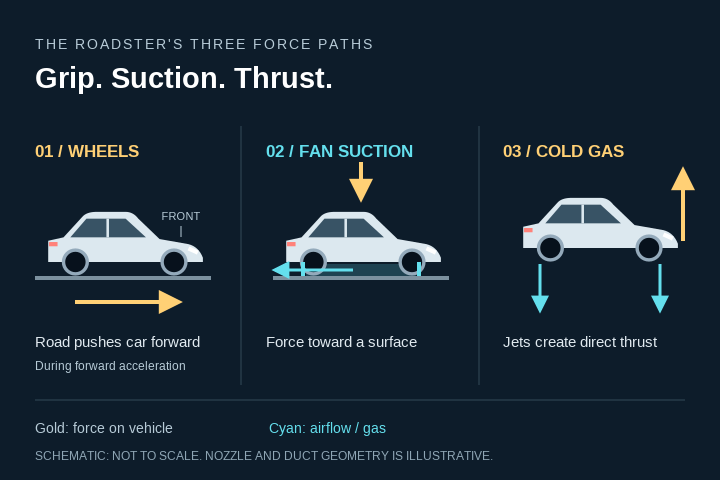
9 min readFans, sealing skirts and cold-gas thrusters do different jobs. Follow the forces behind the Roadster's inverted ramp and airborne demonstrations.
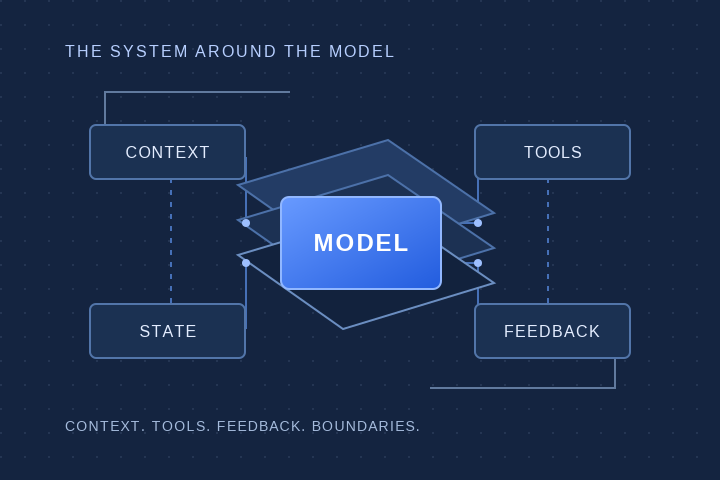
6 min readA model can generate an answer. Useful AI also needs context, tools, feedback, and a clear boundary around what it can do.
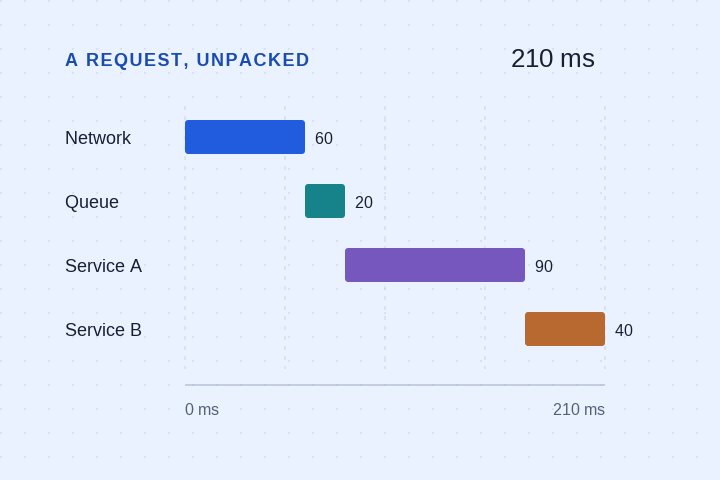
2 min readNetwork time, queueing, and service work all spend the same budget. Explore what changes when independent work runs in parallel.
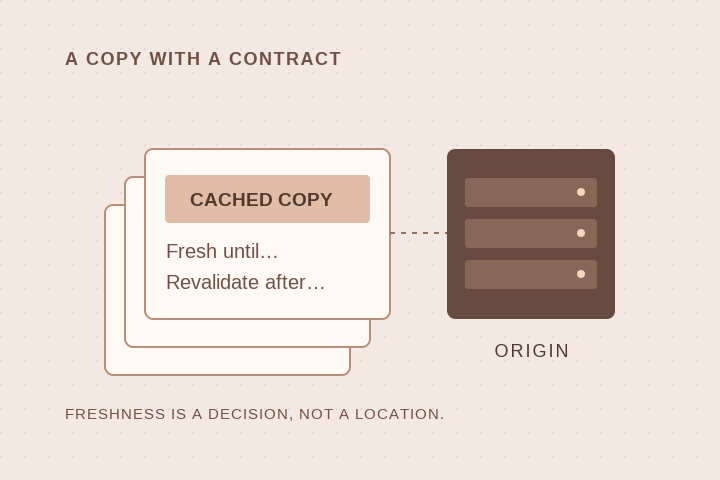
2 min readCaching saves work by reusing an answer. The hard part is deciding how long that answer is allowed to stay true.
2 min readA page is more than downloaded bytes. Follow the work between receiving HTML and putting something useful on the screen.
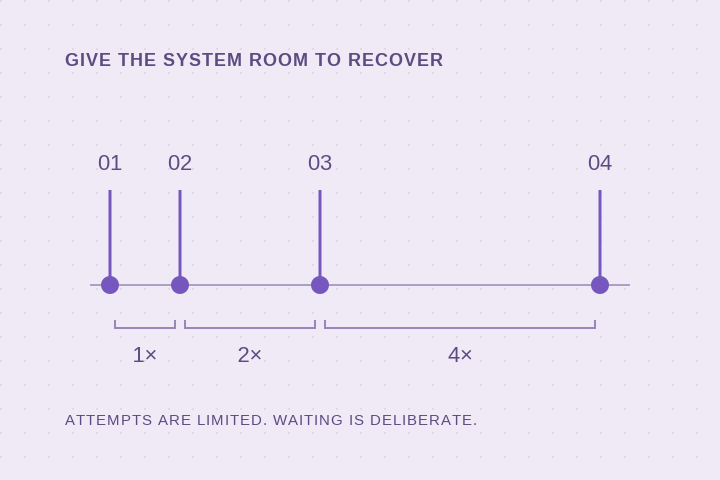
2 min readTrying again can recover from a brief failure. Without limits, backoff, and a safe operation, it can also make the failure worse.
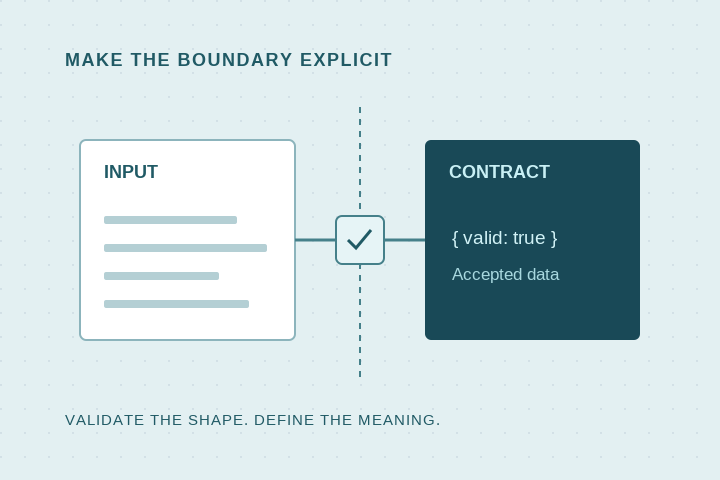
2 min readClear inputs, explicit failures, and stable expectations make a software boundary useful long after its first implementation.
2 min readHow AI models become useful tools: the systems, decisions, and tradeoffs around them.
Explore AIInside the code, interfaces, and architecture that turn an idea into something people can use.
Explore SoftwareHow things are designed, built, and made to work, from digital systems to the physical world.
Explore EngineeringBrowsers, networks, and the small decisions that shape how the internet feels.
Explore The web